There is a moment, on the road from Tokyo to Hakone, where the fast train slows and the windows fill with cedar. The hills become bowls. Steam rises from the onsen towns. And somewhere up among the trees, in a converted barn the size of a small bedroom, Yuki Asahi is throwing the same shape for the eighty-seventh time today.
Wabi-sabi is one of those words that has been borrowed and bruised in equal measure. It is not, in spite of what the candle marketing might suggest, a synonym for rustic. It is closer to a refusal — a refusal to pretend that the made object is permanent, perfect, or finished.
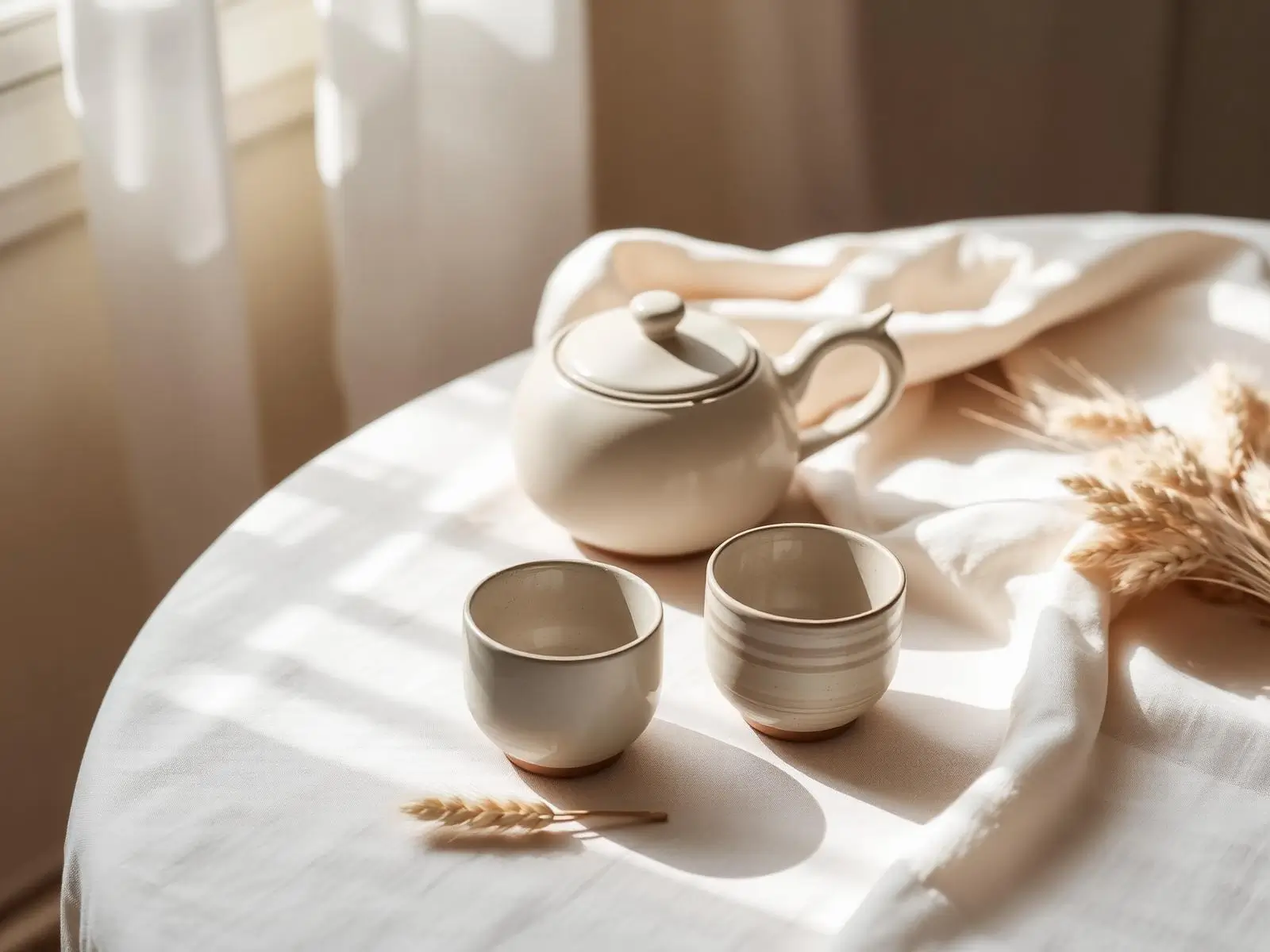
The Japanese tea ceremony codified this hundreds of years ago. The cup that does not match its saucer. The plate with the single, beautiful crack. The bowl that asks the hand to find its weight. These were not mistakes. They were the point.
What Yuki makes — what we sell — is not a relic. It is a daily, useful object. The Hakone bowl will hold your morning porridge, your evening rice, your guest’s pistachios. It will chip, eventually. Wabi-sabi suggests this is not a tragedy.
We carry her work because her work asks something gentle of a room: that we slow down enough to notice. Not because we believe imperfection is fashionable, but because we believe certain objects make a home feel breathed in.

 902.00